Login
09/02/2026
Event
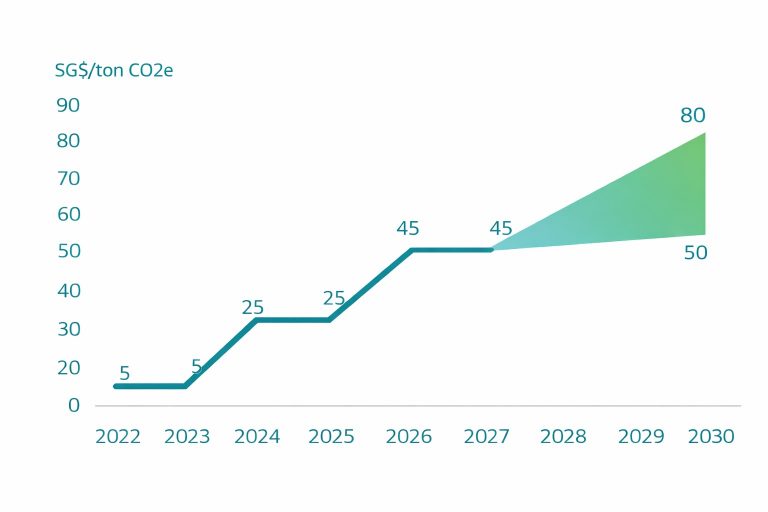
In the rapidly evolving landscape of corporate sustainability, the shift from voluntary goodwill to mandatory compliance is accelerating. With Singapore’s carbon tax rising from S$5 per tonne in 2019 to S$45 in 2024—and projected to reach up to S$80 by 2030—businesses can no longer afford to view climate action as a sideline activity.
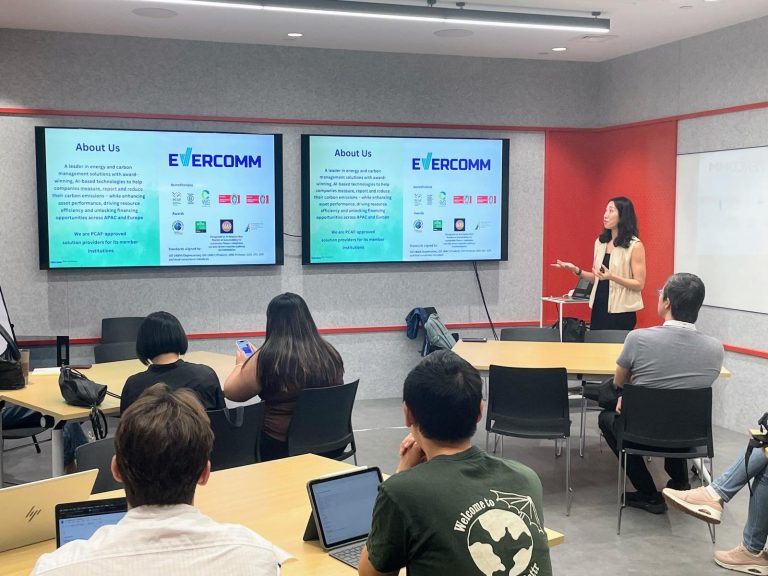
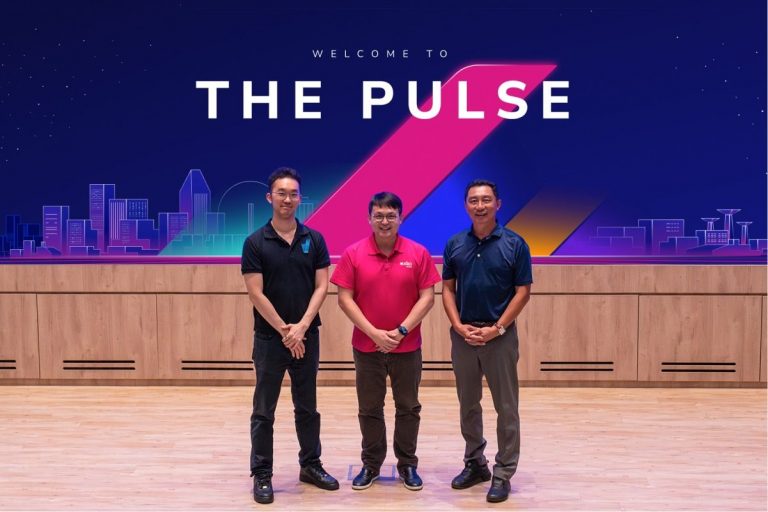
Against the backdrop of rising sustainability expectations, climate action workshops have become essential for organisations seeking clarity and practical guidance. Evercomm recently partnered with B Lab Singapore to host such a session, designed to translate high-level policy into actionable steps. As part of a global network driving economic transformation for people and the planet, B Lab Singapore provided the ideal platform for a deep dive into Singapore’s evolving reporting landscape.
One of the workshop’s main goals was to simplify the complex landscape of sustainability reporting standards—GRI, ISSB and TCFD. Participants acknowledged that sustainability encompasses a wide spectrum, from environmental management to greenhouse gas reporting, which can often feel overwhelming at first. The workshop addressed this challenge by guiding participants through a structured roadmap: defining organisational boundaries, mapping Scope 1, 2, and 3 emissions, and establishing credible, science-based targets.
The Reality Check for SMEs
A critical insight shared during the workshop is that climate reporting is no longer the exclusive domain of large, listed companies. SMEs increasingly face expectations from supply chain partners, even when direct regulatory mandates have yet to apply. One participant noted that while formal reporting may not be required, multinational clients expect data to meet their sustainability standards. This dynamic highlights that even smaller companies must prepare accurate data to remain competitive and maintain supply chain relationships
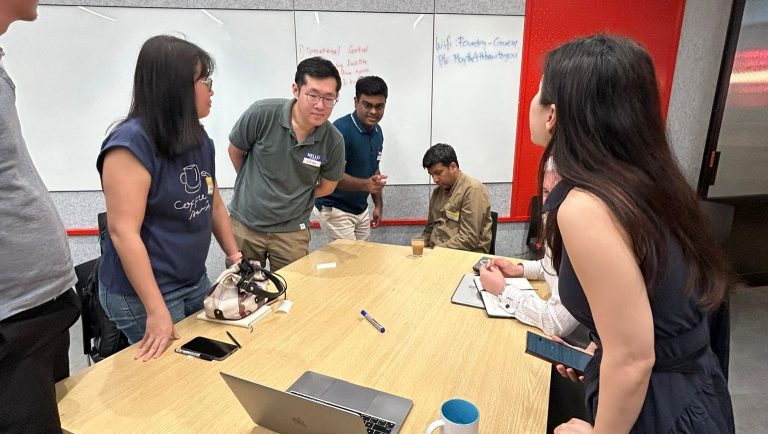
To bring theory into practice, the workshop featured a simulation based on “FreshBake,” a hypothetical food manufacturer in Tuas. Participants calculated real-world emissions across the value chain:
Scope 1: Direct emissions from boilers and refrigerated trucks
Scope 2: Electricity consumption for cold storage
Scope 3: Value chain emissions, including third-party logistics and raw ingredients such as flour and dairy
This exercise underscored a fundamental truth about decarbonisation: you cannot manage what you do not measure.
As the facilitator emphasised:
“Without knowing your baseline, the target that you set will be meaningless because you have nothing to take reference from.”
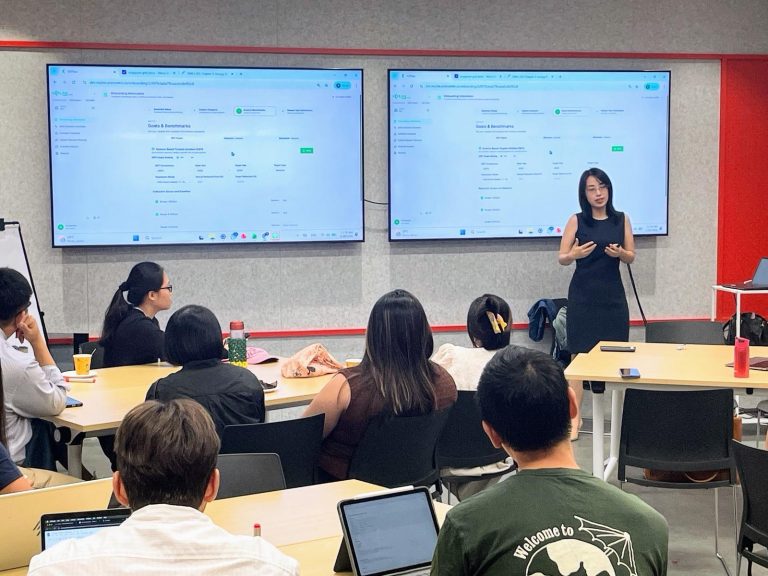
While manual calculations remain important, technology can streamline and enhance the process. The workshop introduced the Evercomm Decarbonisation Tool, which translates insights from a climate action workshop into actionable metrics. Participants explored scenario planning, immediately visualising the impact of operational changes—such as replacing a fossil-fuel boiler with an electric alternative—on emissions.
The platform also integrates financial analysis, enabling organisations to align capital expenditure and ROI with sustainability objectives, making the journey to decarbonisation both strategic and measurable.
Transitioning to a low-carbon economy is complex, but with the right guidance and tools, it is both achievable and commercially viable. Evercomm’s suite of platforms—NXMap for reporting, NXOps for data operations, and NXPlan for reduction planning—helps organisations turn insights from a climate action workshop into audit-ready disclosures and actionable roadmaps.
For organisations ready to move from estimation to verified action, Evercomm offers demonstrations and consultations to explore tailored decarbonisation strategies.
Evercomm is a multi-award winning engineering and technology company helping industries build resilience, unlock growth opportunities and navigate the evolving regulations landscape across carbon, energy, waste, and beyond.
Since 2013, we have been helping businesses optimise resource efficiency, reduce carbon emissions, manage climate risk scenarios, and meet international compliance standards ensuring long-term operational and financial sustainability.
Our advanced planning and simulation tools provide precision-driven carbon, energy and waste reduction strategies tailored to your unique operations. Grounded in internationally recognised ISO Standards, Evercomm ensures data integrity, credibility, and verifiability in emissions reduction tracking and reporting. By integrating globally recognised compliance frameworks, including GRI, SBTi, ISSB, and ESRS, we enable organisations to meet stringent regulatory requirements while reinforcing their business resilience.
As a trusted partner, Evercomm helps businesses turn compliance obligations into strategic advantages ensuring they stay ahead in a rapidly shifting economic and regulatory environment.